Expertise/EMS Architecture & System Integration
An ESS is only as intelligent as its energy management layer. We deliver EMS architecture and system-level integration design that enables consistent, reliable operation across all deployment scenarios — from single-site commercial to multi-site grid portfolios.
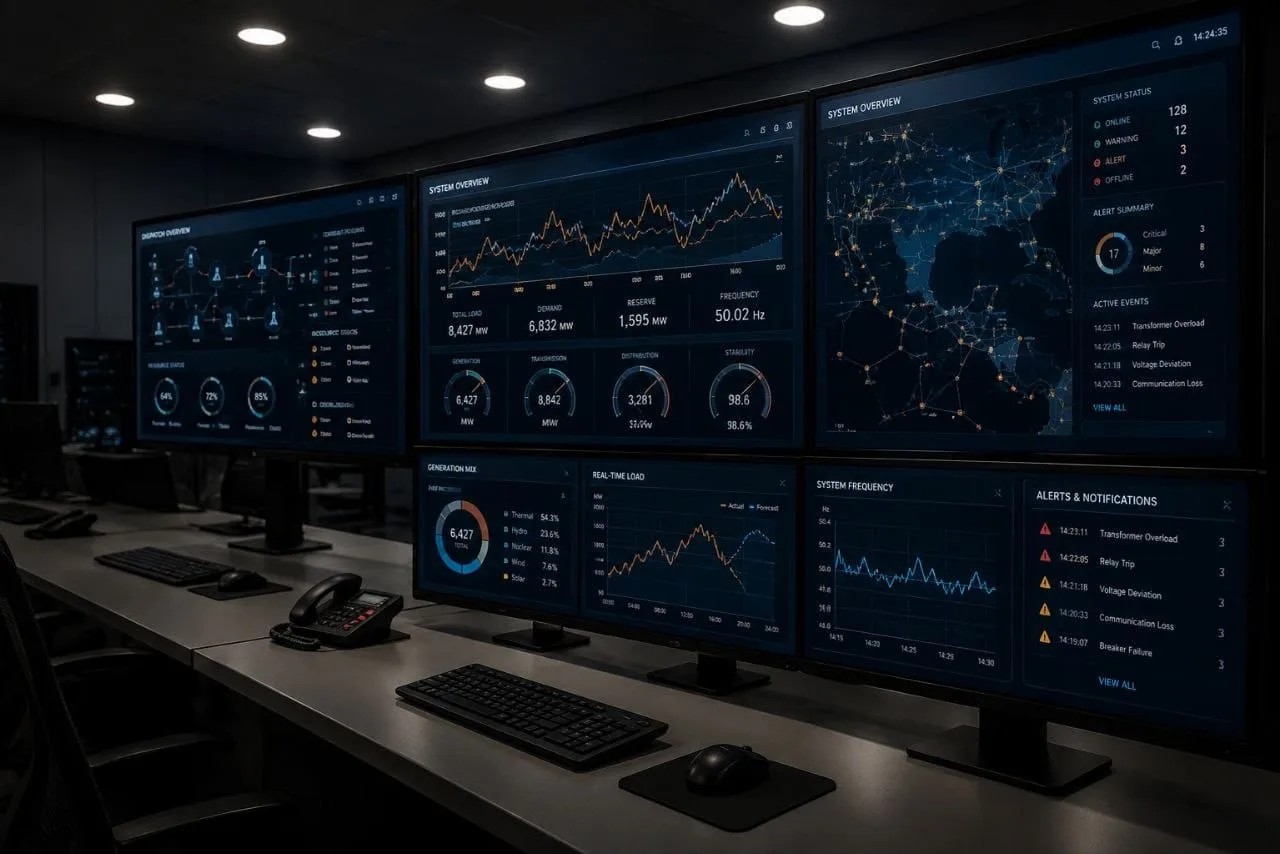
We architect the intelligence layer that decides how the system responds — to the grid, to the operator, to a fault, and to a recovery.
Dispatch control, limit enforcement, constraint management, and recovery sequencing for stable and predictable system operation.
Grid services, peak shaving, backup, microgrid support, standby, fault handling, and other operating modes tailored to site requirements.
Thermal-aware and availability-aware derating strategies with safe fallback modes that preserve system availability and protect assets.
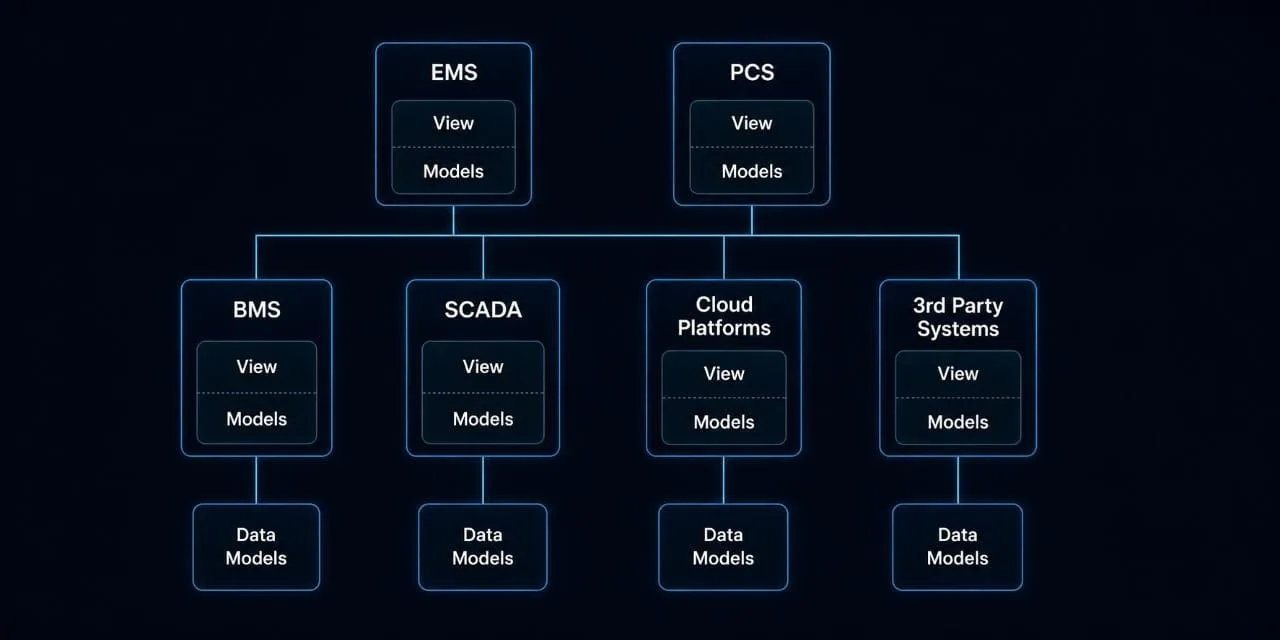
Clear interface definitions between EMS, PCS, BMS, SCADA, cloud platforms, and third-party systems using standard data models.
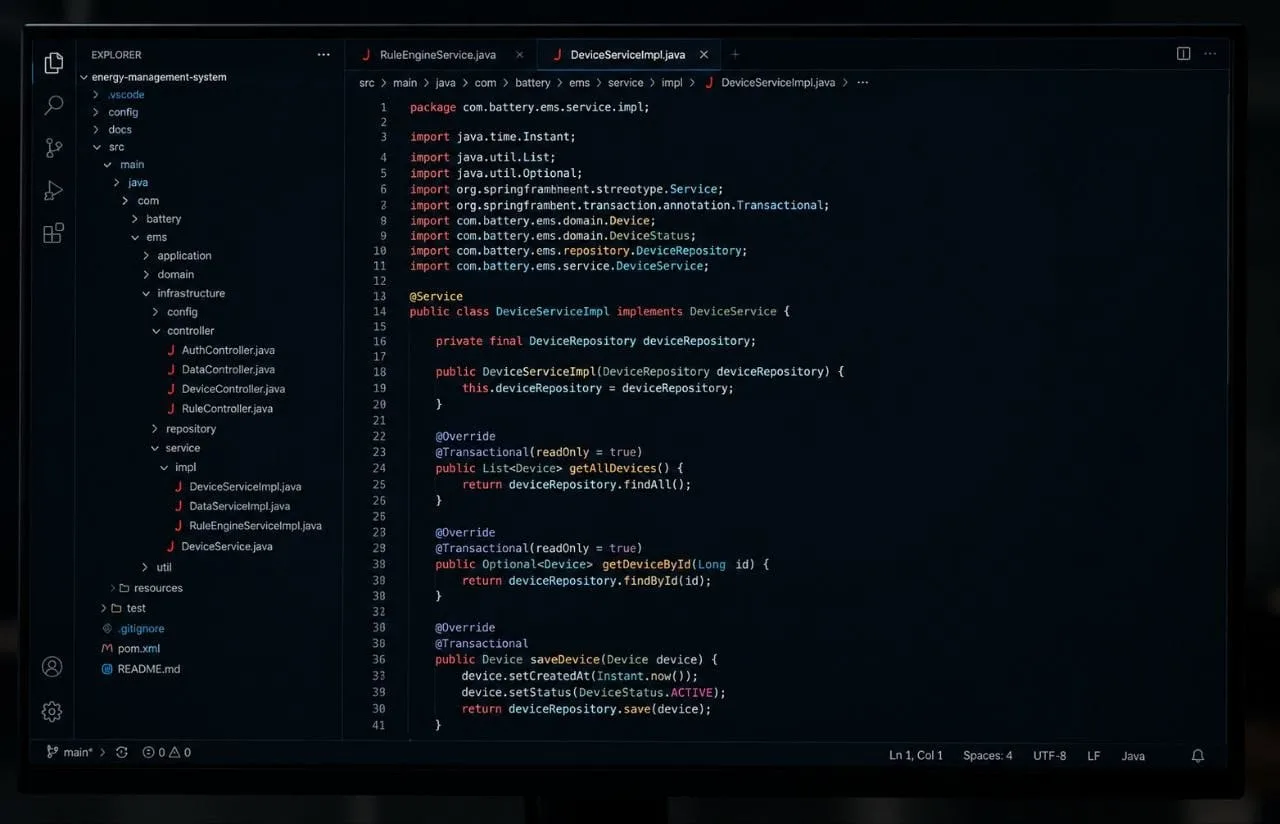
Control policies, data models, event taxonomies, and modular software architecture designed for maintainability, scalability, and long-term reliability.
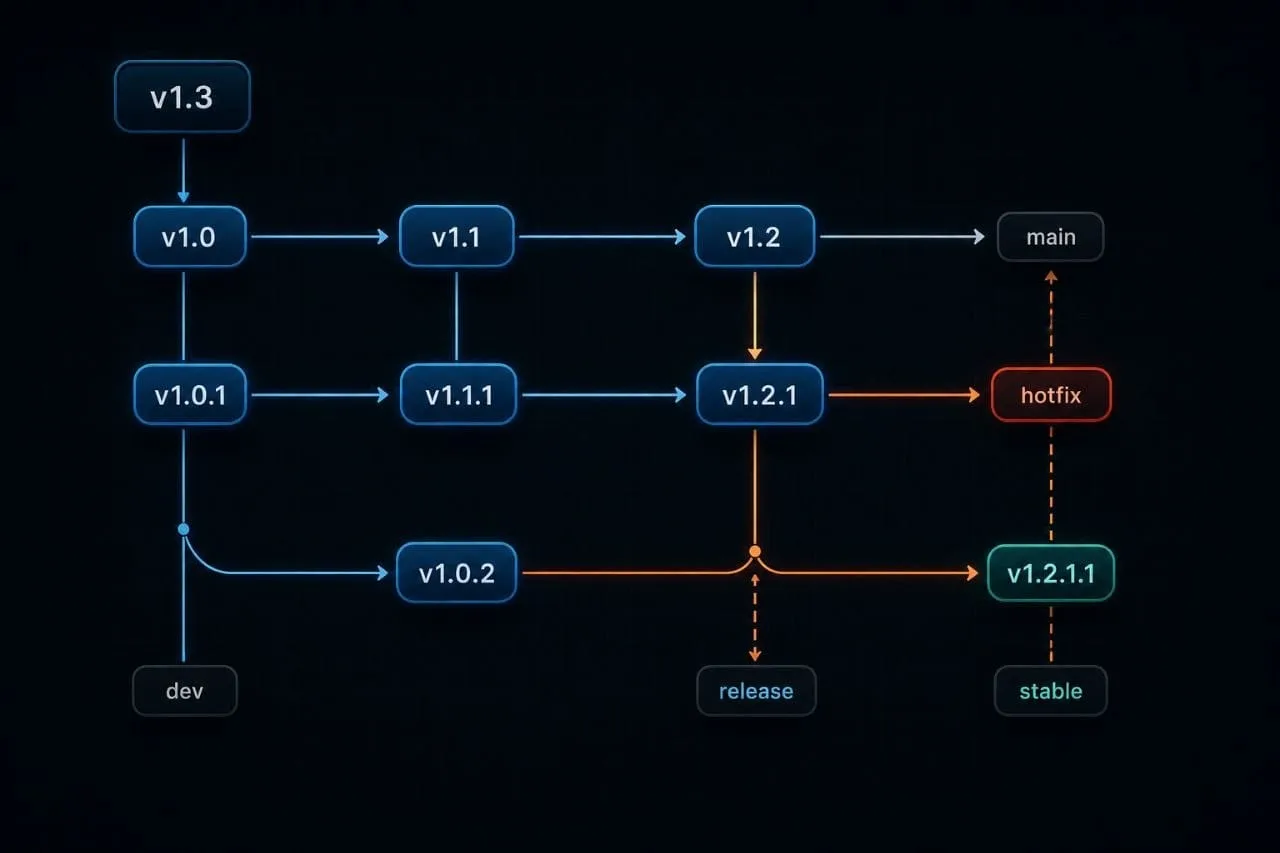
Update governance, version control, and regression risk management to ensure safe deployment and continuous platform improvement.
Cybersecurity considerations embedded at the architecture level to protect system integrity, data, and remote access across the lifecycle.
Site controller architecture definition for real-time execution, local autonomy, and resilient operation during communication loss.
Industrial communication protocol selection and network architecture for deterministic, secure, and high-availability data exchange.
The EMS sits at the center of the energy storage system, orchestrating data, control, and coordination across all major components.
Battery data, limits,<br /> alarms, and protection status.
Intelligence layer for<br /> control and optimization.
Power conversion control,<br /> setpoints, and status feedback.
Operator interface,<br /> supervisory control, and visualization.
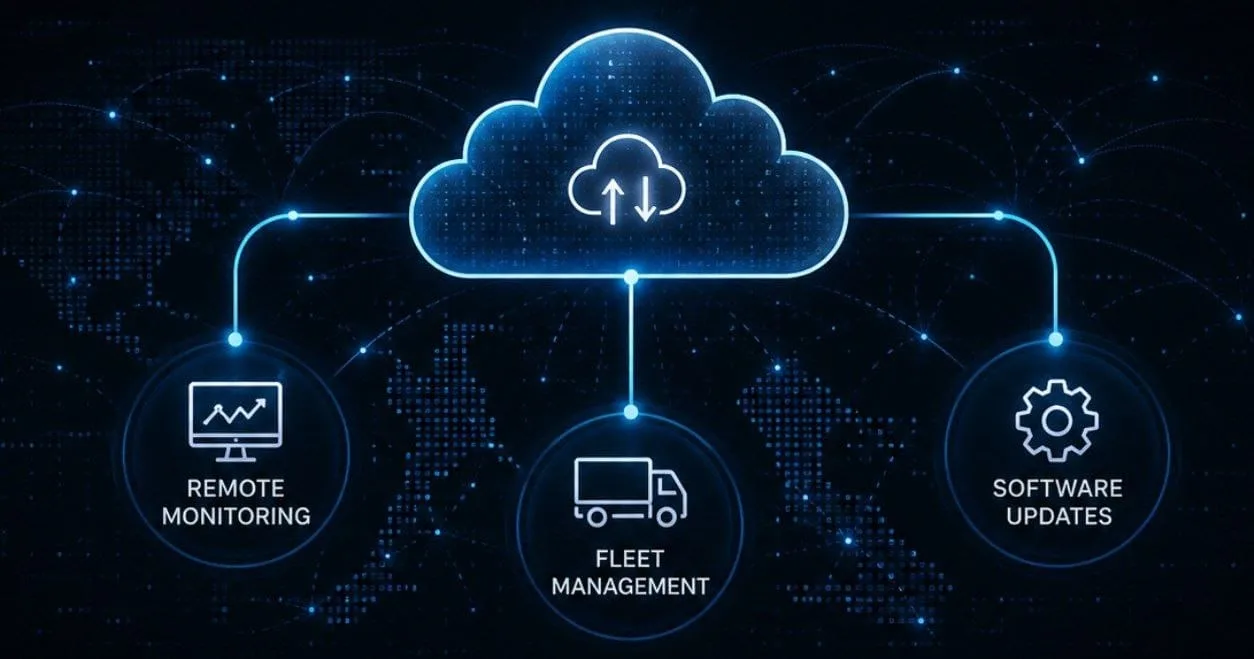
Remote monitoring, analytics,<br /> fleet management, and software updates.
GRID / LOAD / GENERATION
Real-time conditions, market signals, and operational constraints.
We engineer the logic that decides how the system responds.
That logic, properly defined and validated, is the difference between a system that operates and a system that performs.